![MEM-Corporation-Logo-[Converted]2](https://memcorporation.com.bd/wp-content/uploads/elementor/thumbs/MEM-Corporation-Logo-Converted2-rggtndzhnk4r0489t20sk4y25ma2cre7mwema1wa94.png "MEM-Corporation-Logo-[Converted]2")
It’s used almost exclusively by a restaurant’s finance team, not its managers or operations executives. Restaurant teams also use the system to automate accounts payable and receivable, boosting cash flow by, for example, getting invoices paid or reflecting cash inflows on the books faster. NetSuite Fixed Assets Management handles both depreciating assets, such as kitchen equipment, food inventory, and furniture, and assets that don’t depreciate, such as land. It’s essential to keep an updated profit and loss statement for each month, quarter, and year to get an accurate picture of how your restaurant is performing over time. Fixed assets include any items that have been purchased for long term use and can’t easily be turned into cash. This would include things like furniture, kitchen equipment and any land or property you may own.
Why Are Restaurant Financial Statements Important?
- Two of the best ways to increase your profits are to teach your bartenders how to upsell and by investing in a perpetual inventory system like BinWise Pro.
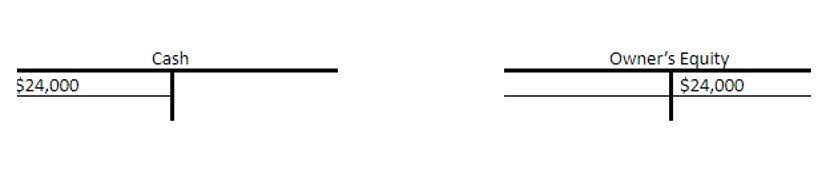
- Equity represents the owner’s investment in the restaurant – any money put into the business, plus any profits that have been reinvested.
- On a restaurant balance sheet, current assets are those that will likely be used or converted into cash—i.e., sold—within one year.
- According to the formula/equation above, equity is what’s left to you after subtracting liabilities from assets.
- It reveals liquidity, changes in assets, liabilities, and equity, and it helps restaurants understand operating performance.
- However, if your restaurant has any of these liabilities, be sure to list them within this subcategory on your balance sheet.
Milagro is an All-in-One Restaurant Commerce platform built to elevate the guest experience, automate sales & growth, and eliminate having 15 vendors just to run technology within a restaurant. Learn more about our latest releases including tip automation, dynamic forecasting, and enhanced finance & accounting with AI and machine learning. He is a regular speaker and panelist at industry events, contributing on topics such as digital transformation in the hospitality industry, revenue channel optimization and dine-in experience. Increase your desired income on your desired schedule by using Taxfyle’s platform to pick up tax filing, consultation, and bookkeeping jobs. When you’re a Pro, you’re able to pick up tax filing, consultation, and bookkeeping jobs on our platform while maintaining your flexibility.
Calculating Cost of Goods Sold in Restaurant Financial Statements

It provides insight into spending that can be used to increase restaurant sales and reduce costs in a restaurant. Equity can be thought of as net assets because it is the difference between bookkeeping for restaurants assets and liabilities. Part of equity is retained earnings – a restaurant’s net income from operations and other business activities retained by the company as additional equity capital.
Why Are Restaurant Balance Sheets So Important?

Cash flow statements show whether a restaurant has enough cash to fund current operations and planned growth. Prime costs are the cost of goods sold (again, food and beverages) plus the cost of labor (wages for cooks, wait staff, bartenders, and others). Profit and loss statements should be generated for each month and quarter, along with an annual profit and loss statement around the start of each new year. In your restaurant balance sheet, leave a row for equity, but you will not know your equity until you have first outlined all of your assets, all of your liabilities, then subtracted those liabilities from the assets. In this Guide to Restaurant Sales, you’ll learn the metrics you need to measure to understand the financial health of your restaurant.
Thus, it’s imperative they use the balance sheet to gauge solvency. Creating a clean, clear restaurant balance sheet can help you get a complete picture of any debts you may have taken on to launch the restaurant and build a coherent strategy to become profitable. In the case of Billy’s Burger Joint, we saw how the cost of labor and ingredients affected one another on the profit and loss statement. 2) Restaurant Sales Forecast & Projection Template – use this if you need to create up to 5 years of financial projections including a balance sheet, cash flow statement, and profit and loss.
- A P&L statement, formally known as an income statement, is the most widely used financial statement in the restaurant business.
- In this section, we’ll give you a sneak peek of what’s included in our template—a powerful tool to help you take charge of your restaurant’s financial health.
- In other words, it’s a snapshot of what your business owns and owes, as well as the amount invested.
- Learn more about our latest releases including tip automation, dynamic forecasting, and enhanced finance & accounting with AI and machine learning.
- To help you easily identify your assets (everything your business owns) and liabilities (everything your business owes), we’ve listed several examples of each in the template.
- Sales information is found in a restaurant’s point-of-sale system, the modern version of cash registers.
How to Calculate Profit and Loss for Your Restaurant
- A more tangible way to think about a restaurant balance is to imagine this statement as a set of scales.
- Your debt and financing tracking should take into account the difference between short-term and long-term assets.
- Understanding your restaurant balance sheet is key to running a successful restaurant business.
- At Taxfyle, we connect small businesses with licensed, experienced CPAs or EAs in the US.
- If so, the restaurant may expand its menu to include more salads, sandwiches, and other cold items.
Our Free Restaurant Balance Sheet Template is your trusted ally in achieving financial control for your restaurant, no matter your financial background. By learning how to prepare a customized balance sheet for your restaurant and following our straightforward instructions, you’ll gain a clear understanding of your financial health. This knowledge empowers you to make informed decisions that contribute to your restaurant’s long-term success.
- Fortunately, we have a ready-to-use restaurant balance sheet spreadsheet template that you can use to create accurate accounting statements for your business.
- In your restaurant balance sheet, leave a row for equity, but you will not know your equity until you have first outlined all of your assets, all of your liabilities, then subtracted those liabilities from the assets.
- It’s essential for making smart decisions, whether you’re stocking up on inventory, planning a renovation, or just trying to keep the lights on.
- This single sheet gives you insight into your restaurant’s financial health, guidance on how to increase revenue, and insight into your restaurant profit margin, the most important restaurant KPI.
Restaurant Balance Sheet vs. Restaurant Profit and Loss Statement

A profit and loss statement and a restaurant balance sheet complement each other, but neither can really take the place of the other. The profit and loss statement is itemized and detailed, which will help you make decisions about the future of your restaurant. It’s the sort of thing you’ll rely on at the start of a month and whenever tax season rolls around, but looking at it on a day-to-day basis won’t be very illuminating. The debt to equity ratio, for example, is a measure of solvency that expresses the restaurant’s ability to repay any loans. The restaurant industry is known for thin margins, which makes it especially easy for a restaurant to plunge from solvency to insolvency. As food and other costs rise, some restaurants struggle to maintain their margins and end up with no choice but to restructure or sell the business.